

Blog
How to Choose High-Quality Solar Panels | Home & Business Guide

(Optimized for Rank Math, short sentences, short paragraphs, bullet points, proper H2/H3, ready to paste)
Energy costs keep rising. Many homeowners and business owners turn to solar power to cut monthly bills. Choosing the right solar panels is critical for long-term returns. This guide walks you through the key factors.
What Are Solar Panels and How Do They Work?
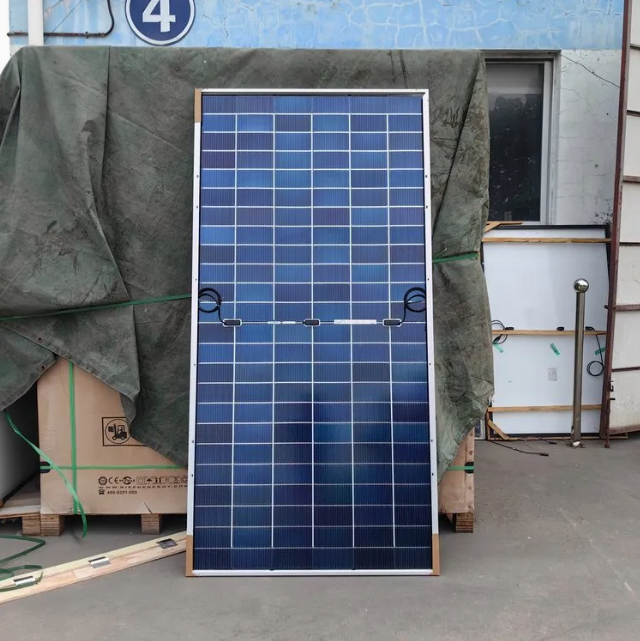
Solar panels capture sunlight and turn it into usable electricity. They are made of many small photovoltaic cells. When sunlight hits these cells, electrons move and generate electric current.
There are 3 main types of solar panels on the market:
- Monocrystalline: High efficiency, long lifespan, best for limited roof space
- Polycrystalline: Lower cost, slightly lower efficiency
- Thin-film: Lightweight, less efficient, used for special projects
Key Factors to Evaluate Solar Panels
1. Efficiency
Panel efficiency tells you how much sunlight converts to electricity. High-efficiency panels produce more power in the same area. For residential and commercial rooftops, aim for 18% efficiency or higher.
2. Durability & Weather Resistance
Solar panels stay outdoors for 25 years or longer. Good panels can survive heavy rain, strong wind and hail. Always check the manufacturer’s wind and hail rating before purchase.
3. Warranty
Warranty is one of the most important buying points. Two types of warranties matter:
- Performance warranty: Guarantees power output over decades
- Product warranty: Covers manufacturing defects
A reliable brand usually offers 25-year performance warranty.
4. Temperature Coefficient
Heat reduces solar panel output. The temperature coefficient shows power loss when temperature rises. A lower number means better performance in hot climates.
Common Solar Panel Applications
- Residential rooftop solar
- Commercial building power supply
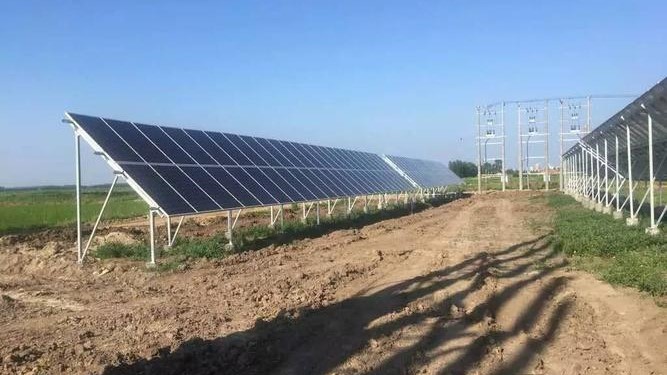
- Off-grid cabins, farms and remote sites
- RV and portable solar systems
Frequently Asked Questions
How long do solar panels last?
Most quality solar panels have a service life of 25 to 30 years. They still produce power after this time, just at lower efficiency.
Do solar panels work on cloudy days?
Yes, but power output drops. Panels use diffused light from clouds, not only direct sunlight.
Final Buying Tips
Compare at least 2–3 brands before you decide. Match panel wattage to your energy demand. Work with a trusted supplier for shipping and after-sales support.
Learn more solar industry data from the International Energy Agency
If you need a reliable supplier, check our range of solar panel products.
